Nonwoven Fabric Explained: Types, Manufacturing Processes, Properties and Applications
A practical guide to how nonwoven materials are made, how their structures differ, and what buyers should evaluate when selecting a material for an end-use application.
1. What Is Nonwoven Fabric?
Nonwoven fabric is an engineered sheet, web or batt of fibers or filaments bonded together by mechanical, thermal or chemical means. Unlike woven or knitted textiles, it is not formed by interlacing yarns in a repeating textile structure. Instead, fibers are arranged into a web and then bonded to create a material with properties suited to a particular use.
The term “nonwoven” describes a broad family of materials rather than one single fabric. A lightweight spunbond web, an absorbent spunlace sheet, a needle-punched felt and a multilayer SMS material can all be nonwovens, but their structures and performance can be very different.
|
Key idea: nonwoven performance is determined by the combination of fiber or polymer selection, web-forming technology, bonding method, finishing treatment and product design. |
2. How Are Nonwoven Fabrics Manufactured?
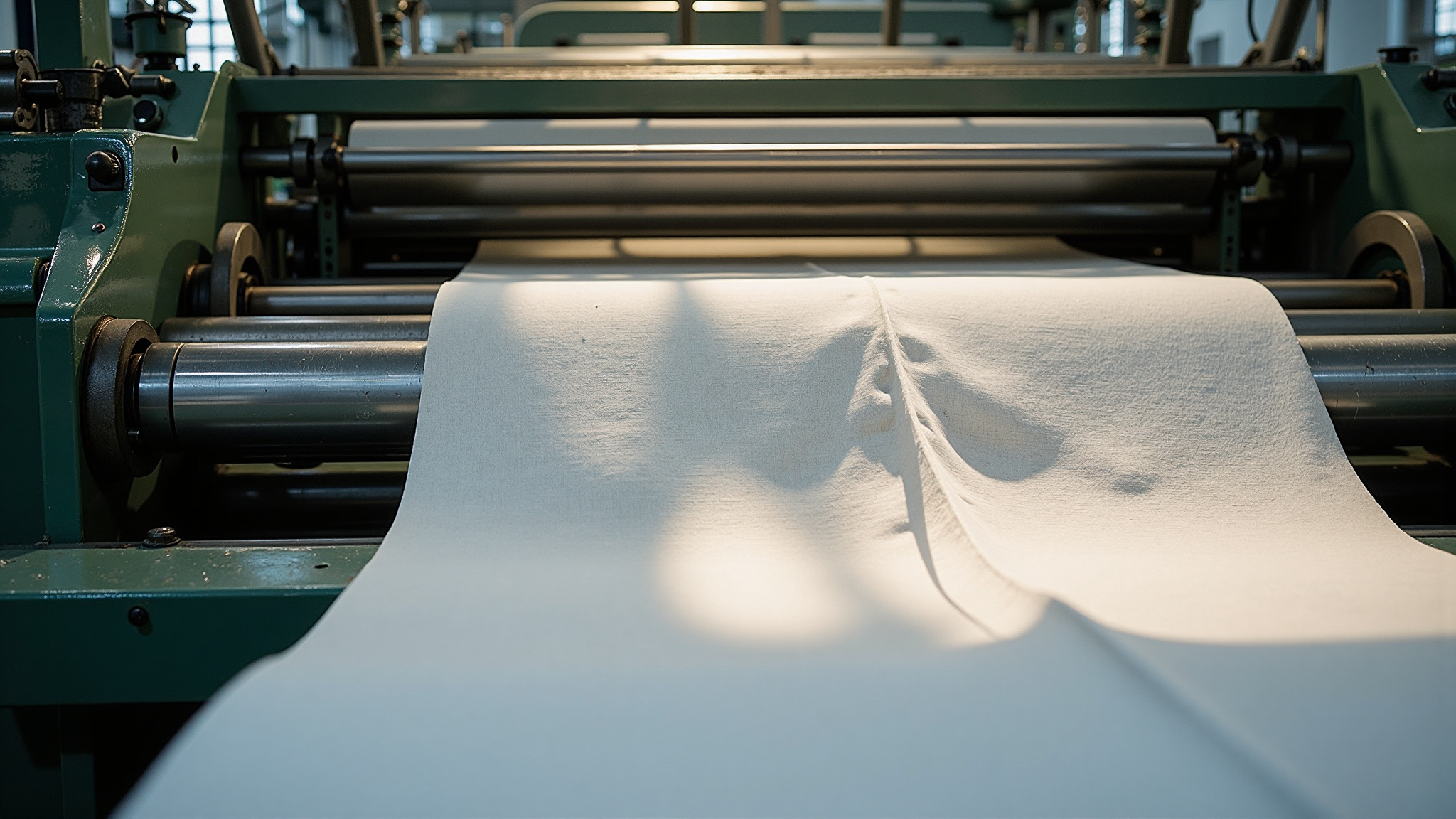
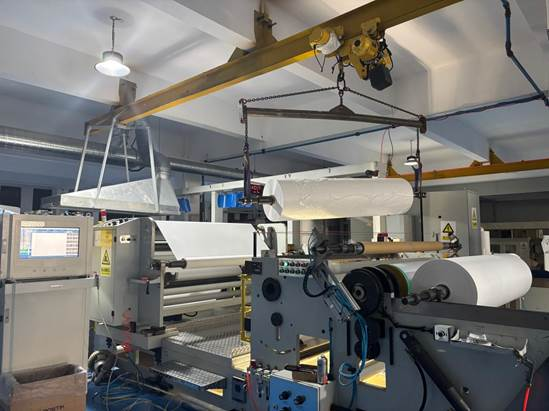
Most production routes follow a sequence of material preparation, web formation, bonding and finishing. The exact route depends on whether the product is made from continuous filaments, staple fibers or a combination of layers.


Figure 1. A simplified manufacturing pathway. The actual sequence and equipment vary by nonwoven technology.
Common web-forming and bonding technologies
Spunbond: molten thermoplastic polymer is extruded into continuous filaments, which are drawn, laid into a web and bonded. Spunbond webs are widely used where lightweight structure and tensile integrity are required.
Meltblown: fine fibers are formed by attenuating molten polymer with high-velocity hot air. Meltblown webs are often selected for filtration and other applications requiring fine-fiber structures.
Spunlace (hydroentanglement): high-pressure water jets entangle staple fibers to form a coherent web. This route is commonly associated with soft, drapable and absorbent materials.
Needle punching: barbed needles mechanically interlock fibers through a web. The process is used for thicker, felt-like materials in filtration, automotive, geotextile and furnishing applications.
Thermal bonding: heat softens thermoplastic fibers or binder fibers so that contact points bond as the web cools. It is used for lightweight products and multilayer structures.
3. Common Types and Structures
Nonwovens are often described by process, layer construction or treatment. The names below are common commercial terms; the exact composition and performance should always be confirmed against a product specification.
|
Type / structure |
How it is made or described |
Typical selection considerations |
|
S / Spunbond |
A single spunbond layer of continuous filaments |
GSM, tensile strength, softness, uniformity |
|
SS / SSS |
Two or three spunbond layers combined in one web |
Layer consistency, strength, hand feel |
|
Meltblown |
Fine-fiber web formed by meltblown technology |
Filtration performance, pressure drop, fiber structure |
|
SMS / SMMS |
Spunbond and meltblown layers arranged in a multilayer structure |
Barrier and filtration requirements, strength, consistency |
|
Spunlace |
Staple fibers entangled by water jets |
Absorbency, softness, linting, fiber composition |
|
Needle-punched |
Fibers mechanically entangled by needles |
Thickness, density, tensile and abrasion behavior |
|
Laminated / coated |
A nonwoven combined with film, coating or another substrate |
Bond strength, barrier/breathability balance, converting compatibility |
4. Functional Treatments and Composite Materials
A base nonwoven can be modified to meet more specific requirements. Depending on the substrate and application, treatments may include hydrophilic (wettable) finishing, hydrophobic or water-repellent finishing, antistatic treatment, coloration, printing, coating or lamination.
Lamination combines two or more materials to create a composite. For example, a nonwoven may be combined with a polymer film to add a liquid barrier, improve surface characteristics or create a controlled moisture- or air-transfer profile. The result depends on the film, adhesive or bonding method, coverage pattern and process conditions.


Figure 2. Illustrative composite construction. Actual layer sequence, film type and bonding method depend on the product specification.
5. Key Properties Buyers Should Compare
|
Property |
What it tells you |
Why it matters |
|
Basis weight (GSM) |
Mass per unit area, usually g/m² |
Affects material consumption, thickness and handling |
|
Thickness |
Distance between surfaces under a stated test pressure |
Relevant to bulk, cushioning and converting |
|
Tensile strength / elongation |
Resistance to pulling and extension before failure |
Important during winding, converting and end use |
|
Air permeability |
Airflow through a material under defined conditions |
Relevant to ventilation, filtration and sachet design |
|
Water resistance / hydrostatic resistance |
Resistance to liquid water penetration under a specified method |
Important where liquid barrier performance is required |
|
MVTR |
Water vapor transmitted through a material over time and area |
Useful for moisture-management and breathable-film applications |
|
Peel / bond strength |
Strength of the interface between bonded layers |
Helps assess delamination risk |
|
Surface / treatment performance |
Wettability, repellency, antistatic or other specified function |
Must match the intended use and test method |
A test result is meaningful only when the method and conditions are known. For example, air permeability and water-vapor transmission are different measurements; “breathable” should not be used as a substitute for a defined test result. Buyers should agree on the test method, conditioning, sample direction and acceptance criteria before comparing suppliers.
6. Where Are Nonwoven Fabrics Used?

Figure 3. Examples of colored nonwoven materials supplied as roll formats.
Healthcare and hygiene
Nonwovens are used in disposable medical and hygiene products, including gowns, drapes, masks, caps, wipes and absorbent-product components. The required structure depends on the intended contact, barrier, comfort and regulatory requirements. A material suitable for one use should not automatically be assumed suitable for another.
Packaging and desiccant sachets
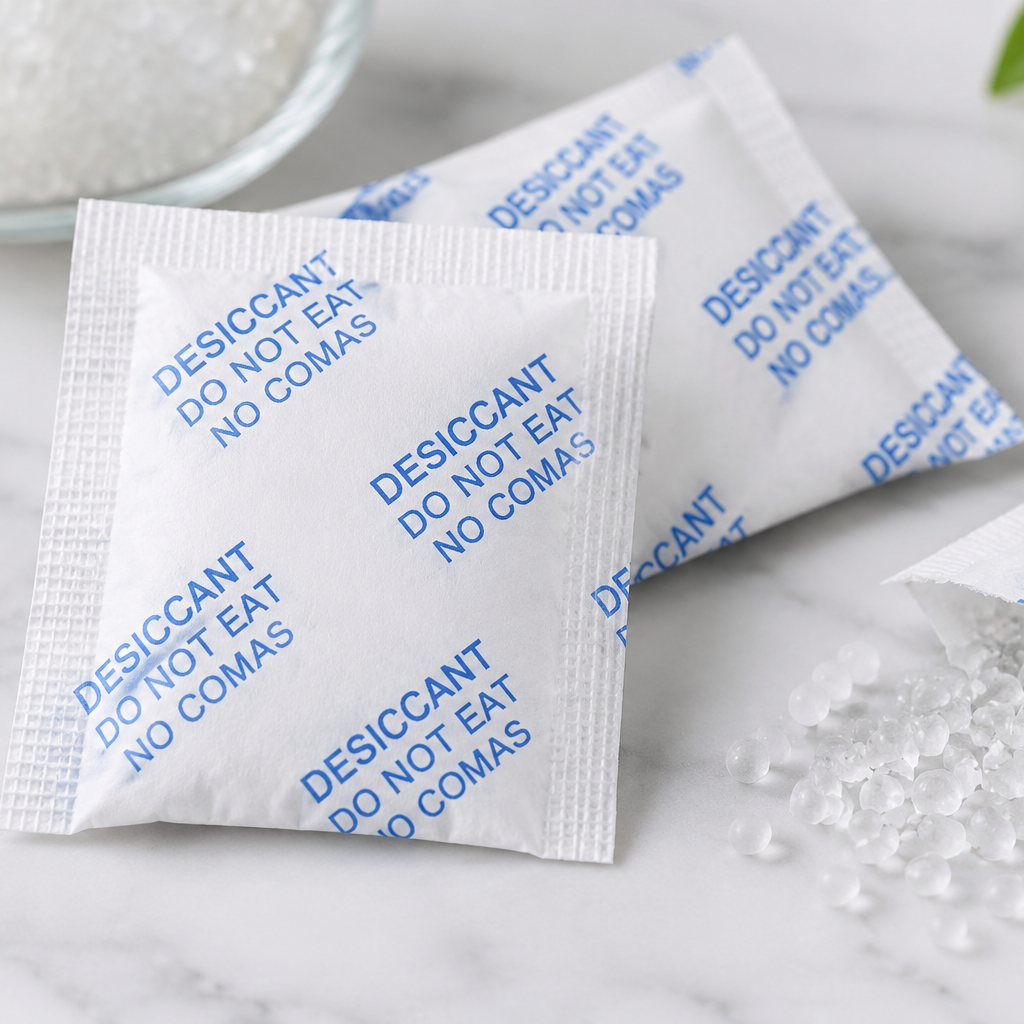
Selected porous nonwoven materials are used as sachet substrates for desiccants and other particulate contents. Buyers should evaluate moisture-vapor transfer, particle retention, seam integrity, dust release and compatibility with the filling and sealing equipment. The correct balance depends on the desiccant type, particle size and package design.
Home textiles and furniture
Nonwovens can be used in pocket-spring encasement, mattress components, upholstery backing and other furniture structures. Strength, abrasion resistance, dimensional stability and compatibility with automated sewing or welding processes may be important.
Industrial, automotive and agricultural applications
Depending on fiber type and construction, nonwovens can serve as filtration media, insulation, automotive interior components, geotextiles, crop covers and protective layers. Each application calls for its own performance specification rather than a generic “industrial grade” label.
7. How to Specify the Right Material
1. Define the end use and operating environment, including contact, temperature, moisture and mechanical stress.
2. Identify the required structure: spunbond, SMS, spunlace, needle-punched, coated or laminated.
3. Set measurable targets for GSM, width, roll length, thickness and relevant performance properties.
4. Confirm downstream processing: heat sealing, ultrasonic welding, adhesive bonding, printing, slitting or converting.
5. Agree on sampling, test methods, tolerances, inspection frequency and packaging requirements.
6. Validate the material in the actual production process before approving routine orders.
8. Questions to Ask Before Purchasing
What polymer or fiber composition is used, and is it consistent across production lots?
Which test methods are used for GSM, tensile strength, air permeability or barrier performance?
Can the material be supplied in the required width, roll diameter, core size and winding direction?
Are color, embossing, printing, hydrophilic or antistatic treatments available for the requested construction?
Can the supplier provide samples and a technical data sheet matching the quoted specification?
Conclusion
Nonwoven fabric is a broad platform of engineered materials. Understanding the production process is useful, but selecting the right material requires a closer look at its structure, measurable properties and compatibility with the final product. A clear specification and application-based testing help buyers compare options and reduce avoidable problems during converting and production.
|
Need help identifying a suitable nonwoven structure? Share your target application, material construction, GSM, width and key performance requirements to start a technical discussion. |