
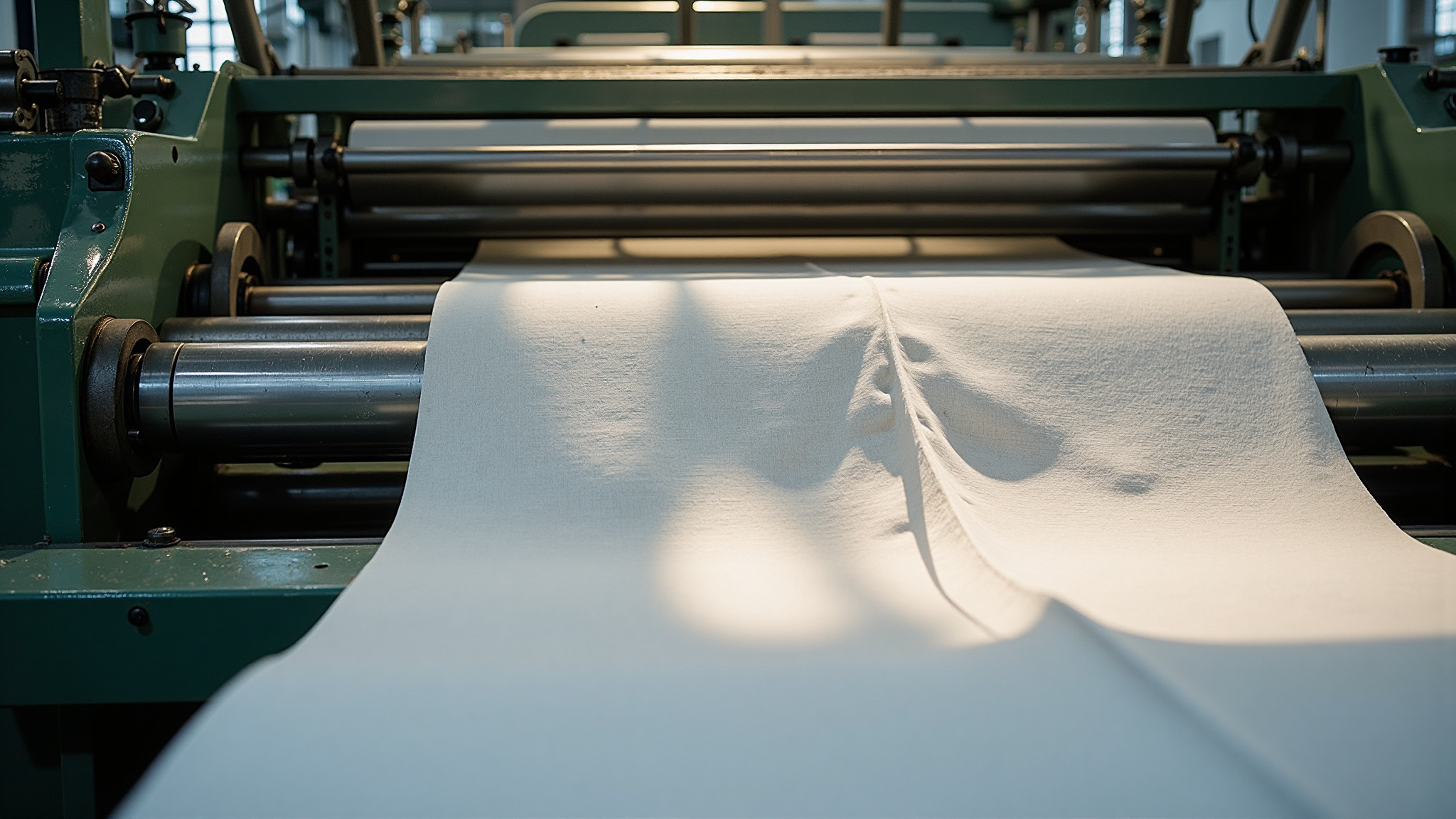
About Us
Who Is Yonshine
Yonshine is a China-based nonwoven materials, films, and composites manufacturer and sourcing partner serving distributors, importers, contractors, industrial suppliers, factories, and project buyers.
Our core business focuses on nonwoven fabrics, breathable films, and composite materials, supported by coordinated sourcing for complementary products.
What We Do
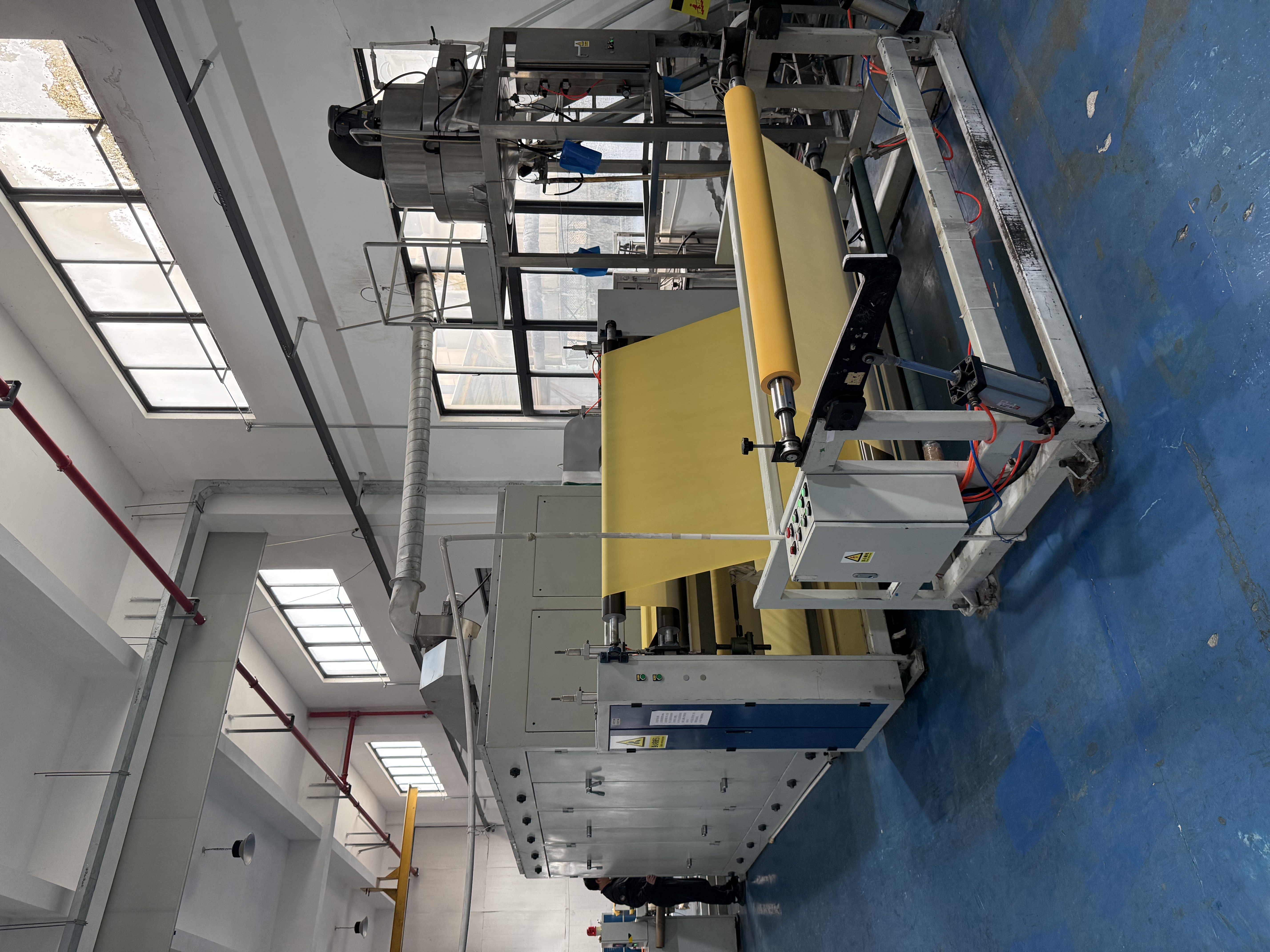
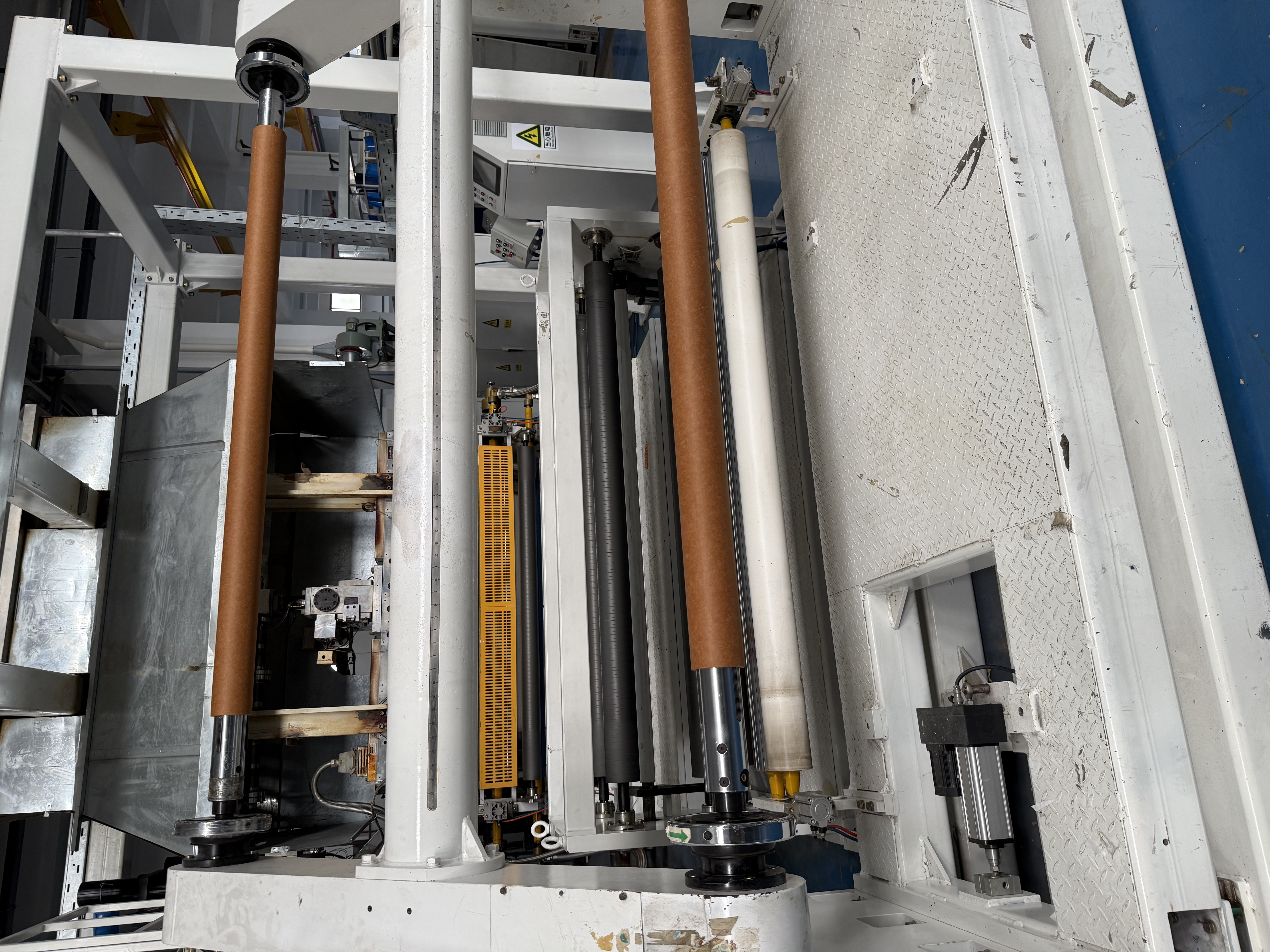
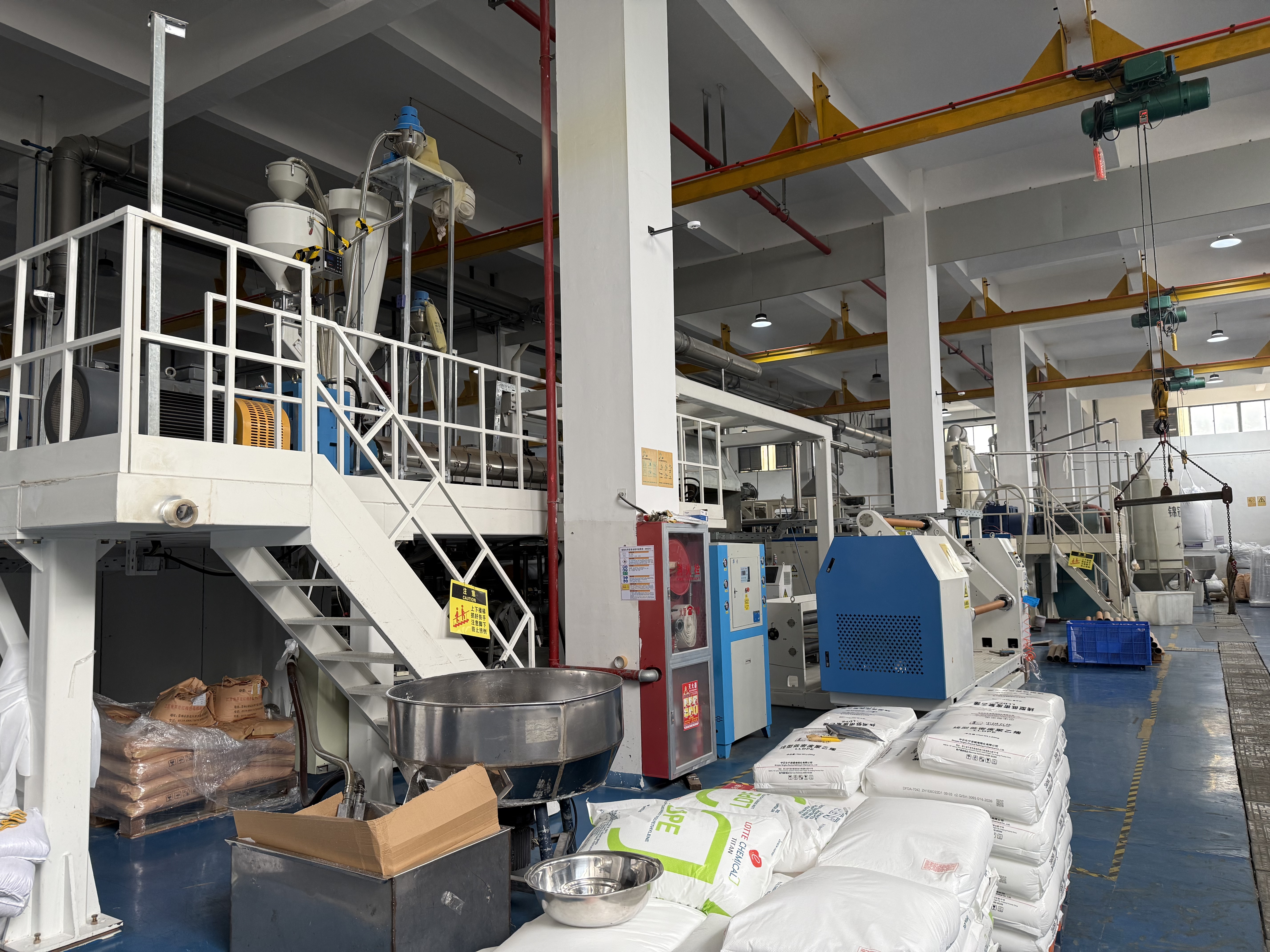
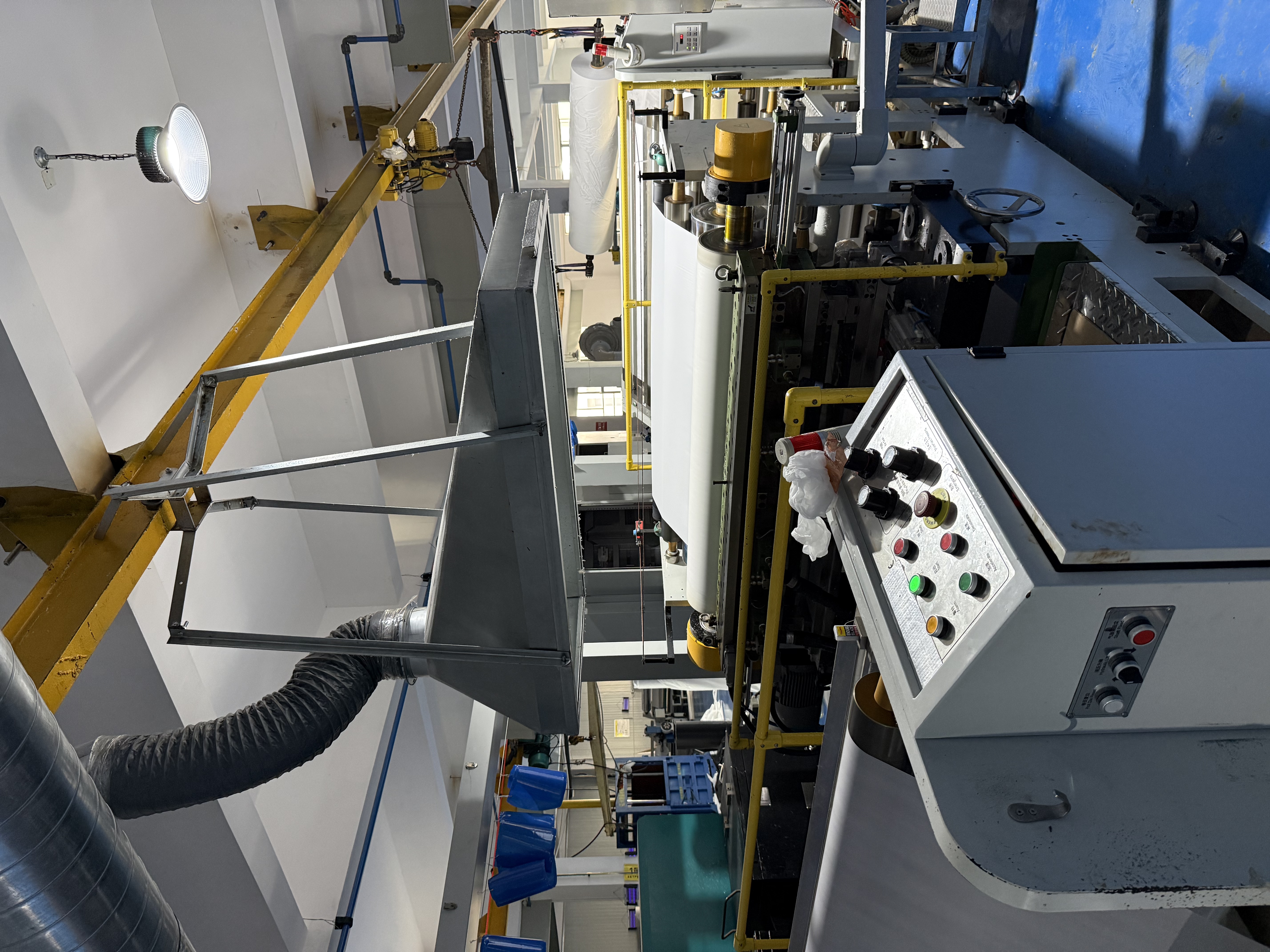
Yonshine is an integrated materials manufacturer based in Hangzhou, China. We develop, test and produce nonwoven fabrics, functional films and the laminates that combine them — and we stay on the project from the first material specification through to qualified mass production.
We do not sell from a catalogue. Every programme begins with the end application: the standard the product has to meet, the environment it has to survive, the cost it has to hit, and the machine it has to run on. Fabric, film and bonding process are then selected together, because in a laminate those three decisions cannot be separated without paying for it later.
That single discipline — designing the material as one system rather than buying three components and hoping they combine — is what allows us to take on specifications that get passed back and forth between suppliers. It is also why our customers tend to arrive with a performance problem rather than a part number.
Material platforms under one roof
Nonwoven forming routes in regular production
Film polymers specified and processed
Core markets served, plus adjacent ones
The Material Platform
Our capability covers three layers of the material stack. The engineering value comes from controlling all three at once, so that performance is designed into the interface instead of being discovered during a trial run.
Fabric, film and bonding behave as one system. Specify them apart and the interface — not the material — becomes the failure point.
NONWOVEN FABRICS
Spunbond, meltblown, spunlace, needlepunch and air-through. The forming route is chosen by the property that has to lead — barrier, tensile strength, softness, drape or hand-feel — and then fibre, weight and bonding are tuned so that the property holds across a production window, not just in a laboratory sample.
FUNCTIONAL FILMS
PE, PP, PET, TPU and TPEE. Film selection is almost always a trade-off between barrier, breathability, elasticity and sealability. We balance it against the conversion process the customer actually runs, because a film that seals well on our line and poorly on theirs is not a solution.
LAMINATION
Thermal, ultrasonic and adhesive bonding. The bonding method decides how much of the fabric and film performance survives into the finished roll: breathability, softness, bond strength and hand-feel all move with it, and often in opposite directions.
| PLATFORM | RANGE | WHAT IT GOVERNS |
|---|---|---|
| Nonwoven fabric | Spunbond · Meltblown · Spunlace · Needlepunched · Air-through | Barrier, strength, softness, uniformity, weight |
| Functional film | PE · PP · PET · TPU · TPEE | Barrier, breathability, elasticity, sealing |
| Lamination | Thermal · Ultrasonic · Adhesive | Bond strength, breathability retained, hand-feel |
From Specification to Supply
Development and production sit in the same plant, under the same engineers. A change agreed during a trial does not have to be re-learned by a third party, and the person who ran the trial is the person who sets the line.
Application review
The target standard, service environment, conversion route and cost ceiling are fixed before any material is proposed.
Material architecture
Two or three candidate builds are defined, each combining a different fabric, film and bonding route.
Sampling
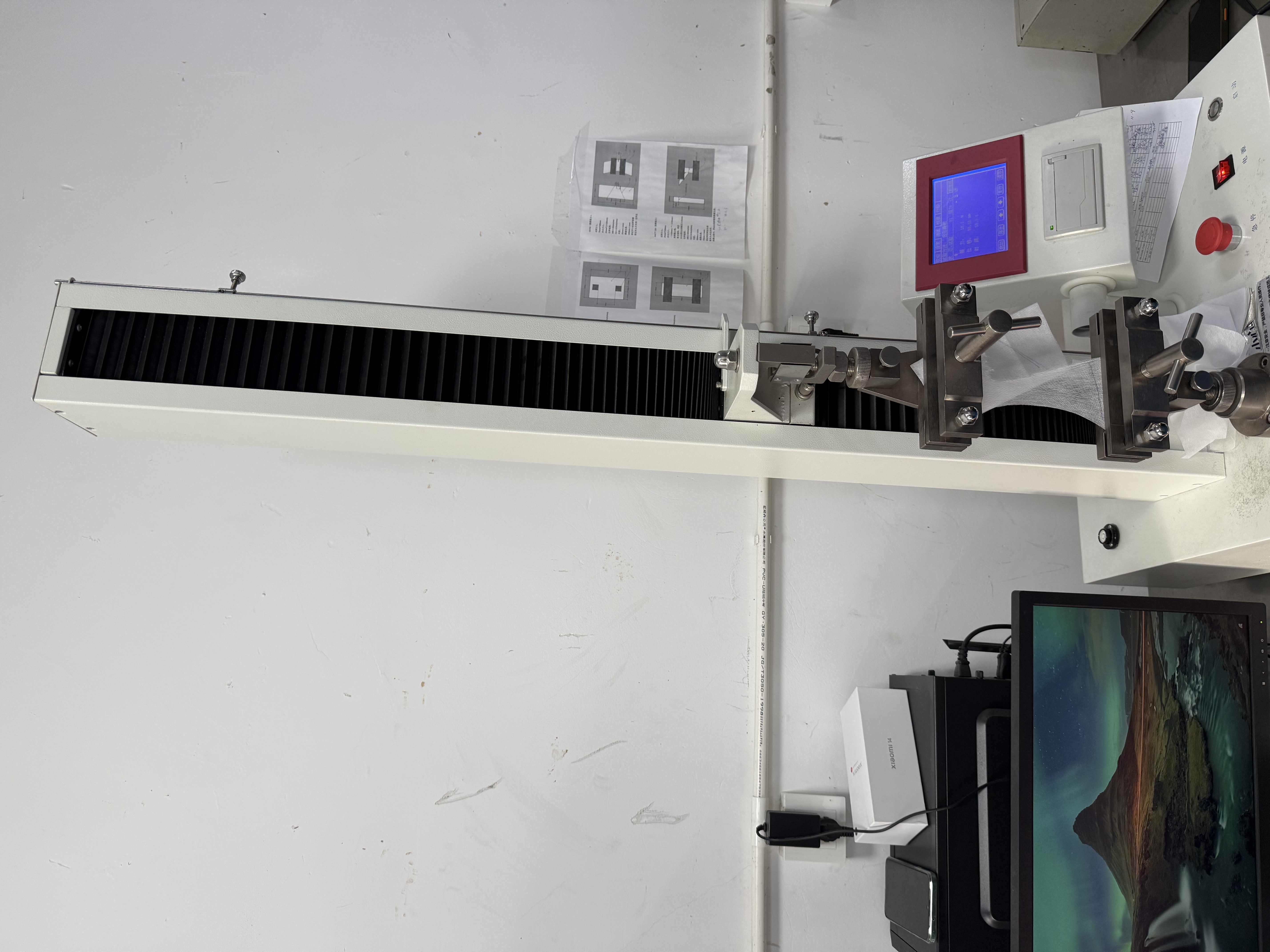
Pilot rolls are run on our own line and tested for physical, barrier and ageing performance before they leave.
Validation
Performance and compliance evidence is assembled against the target standard, together with the customer's quality team.
Scale-up and supply
The process window is locked, first articles are approved, and repeat production is held to the same settings.
Industries We Serve
Our materials sit inside other companies' products, so we work across markets rather than in one. Four sectors account for most of our programmes, and each has its own compliance language, its own failure modes and its own cost structure. The same platform carries into a further set of applications where the requirement is essentially the same: a flexible material that has to hold a barrier, a strength or a comfort target.
| SECTOR | TYPICAL APPLICATIONS | WHAT WE ARE USUALLY ASKED TO SOLVE |
|---|---|---|
| Medical and healthcare | Surgical gowns, drapes, sterilization wrap, dressing backings, patient bedding | Bacterial barrier held against breathability and drape; batch-to-batch consistency |
| Personal protective equipment | Coveralls, aprons, chemical-protective composites, disposable workwear, masks | Chemical resistance and strength without the weight; comfort across a full shift |
| Building and construction | Weather-resistive membranes, roofing underlay, vapour barriers, tape and flashing substrates | Weatherability and UV grade; tear strength and dimensional stability on the roll |
| Consumer and household | Wipes, protective covers, disposable articles, hygiene components, household textiles | Softness and hand-feel at a fixed landed cost; printability and shelf appeal |
| Adjacent applications | Filtration media, flexible packaging, automotive interior laminates, agricultural covers, industrial wipes | Re-specifying an existing composite for a new standard, cost target or supply base |
Why Customers Work With Us
One team, one line
Specification, sampling and production are handled by the same engineers in the same plant. Nothing is re-interpreted at handover.
Depth across the stack
Fabric, film and bonding are assessed together, so the interface is designed rather than discovered after the first production run.
Compliance as an input
Test standards and declaration requirements are set at the specification stage, not retrofitted once the material is already fixed.
Cost engineered early
Weight, build and process route are chosen with the target price in view — the stage where most of the cost is still open.
Starting a Project
Send us the application, the standard it has to meet and the annual volume you expect. We will come back with a material recommendation, a sampling plan and an indicative cost — with the trade-offs stated plainly, rather than hidden inside a specification sheet.
If the requirement is genuinely outside what our platform can hold, we will say so at that point. It is cheaper for both sides than finding out during validation.
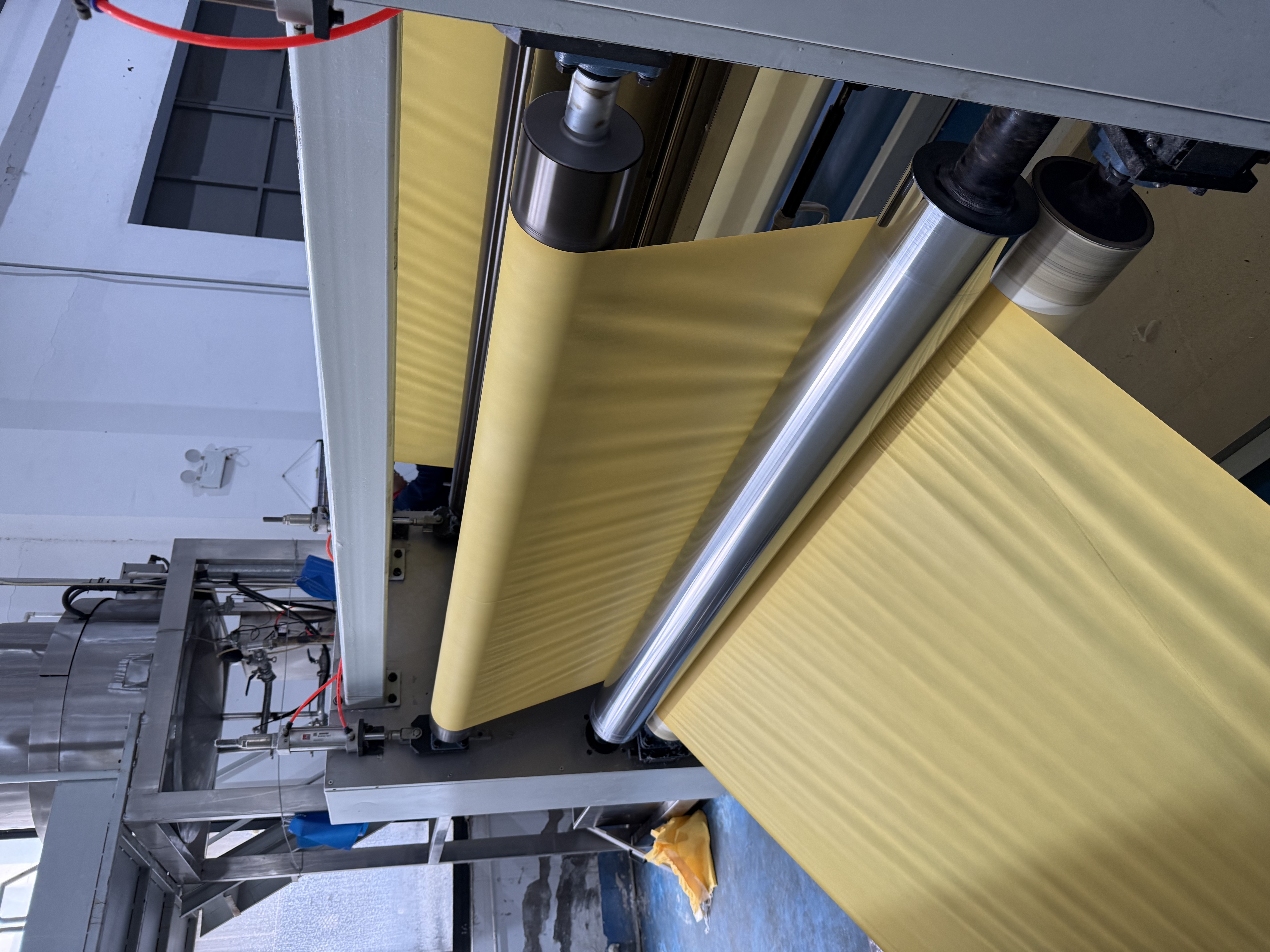
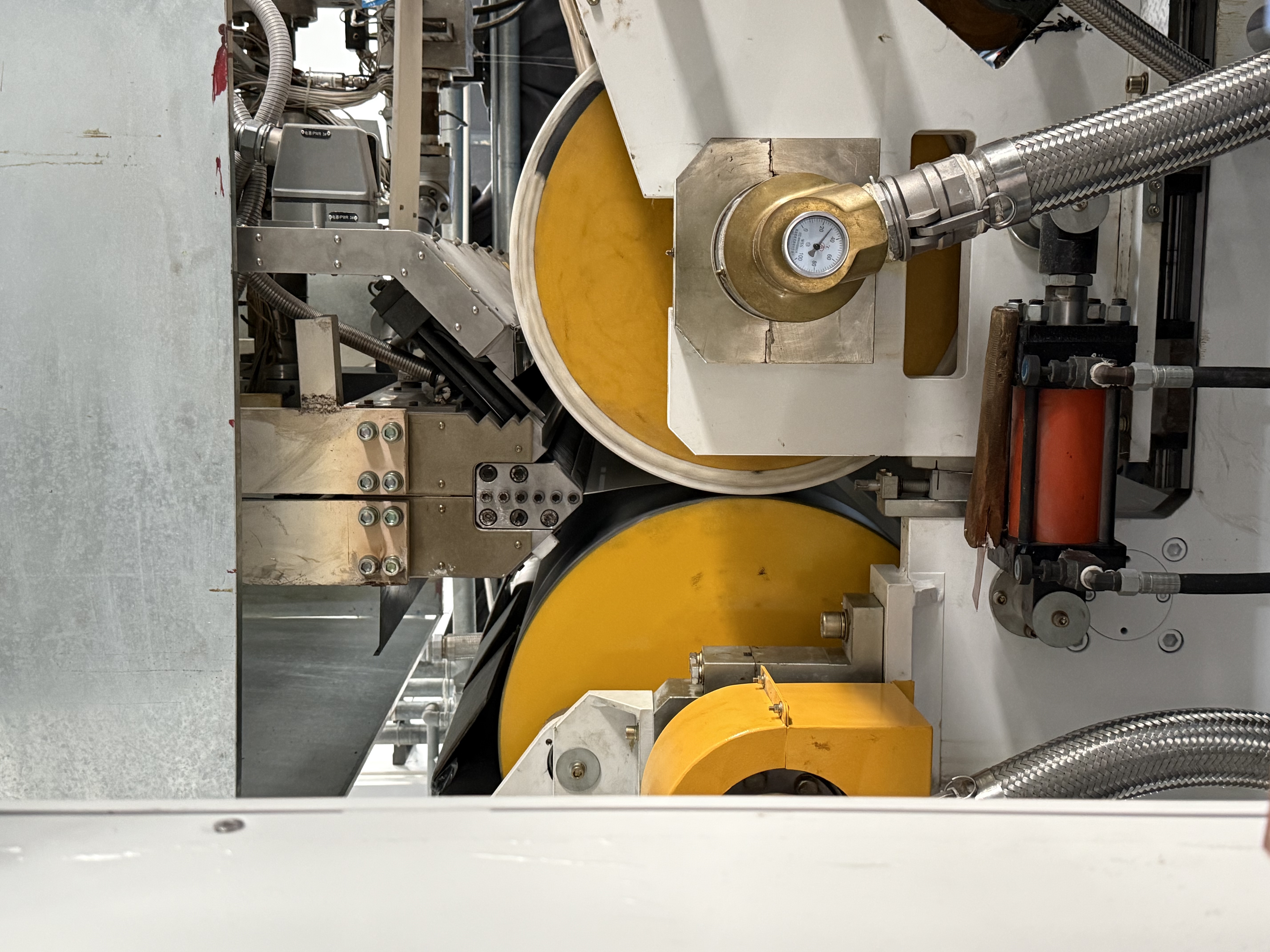
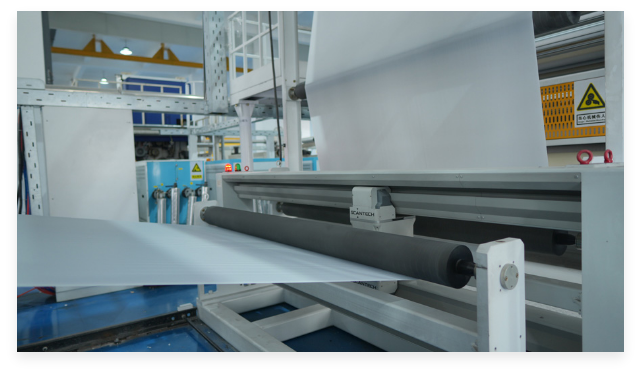
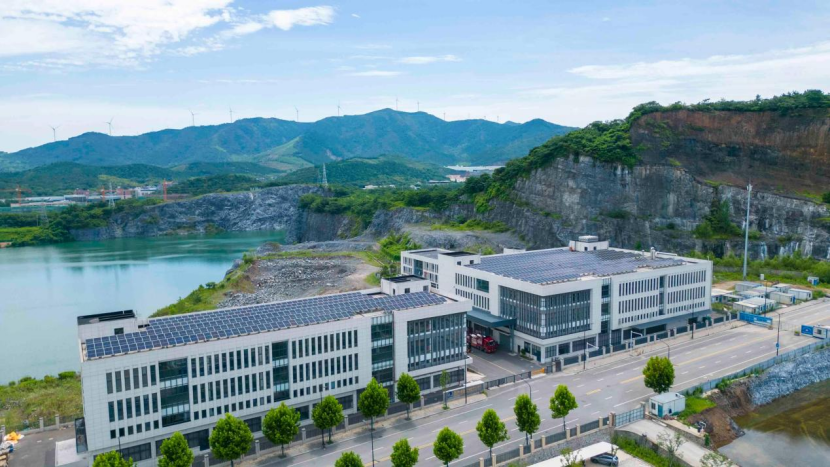
Production and Supply Network
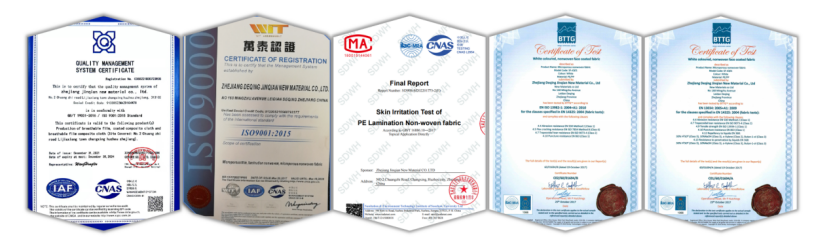
Product Compliance and Documentation
Our Sales Team

Sally
Sales Manager
Ricardo
Salesperson

Lisa
Salesperson

Wendy
Salesperson
Our Partners
Collaborating with established material producers and technology providers worldwide.






Discuss Your Material Requirements With Our Team
Tell us which materials you need, the destination market, required standards, approximate quantity, size range and branding requirements. Our team will review the details and discuss suitable product and documentation options with you.
Get in Touch
If you're interested in our materials, have questions about a project, or need technical support, contact us and our team will be in touch shortly.
Contact Us